
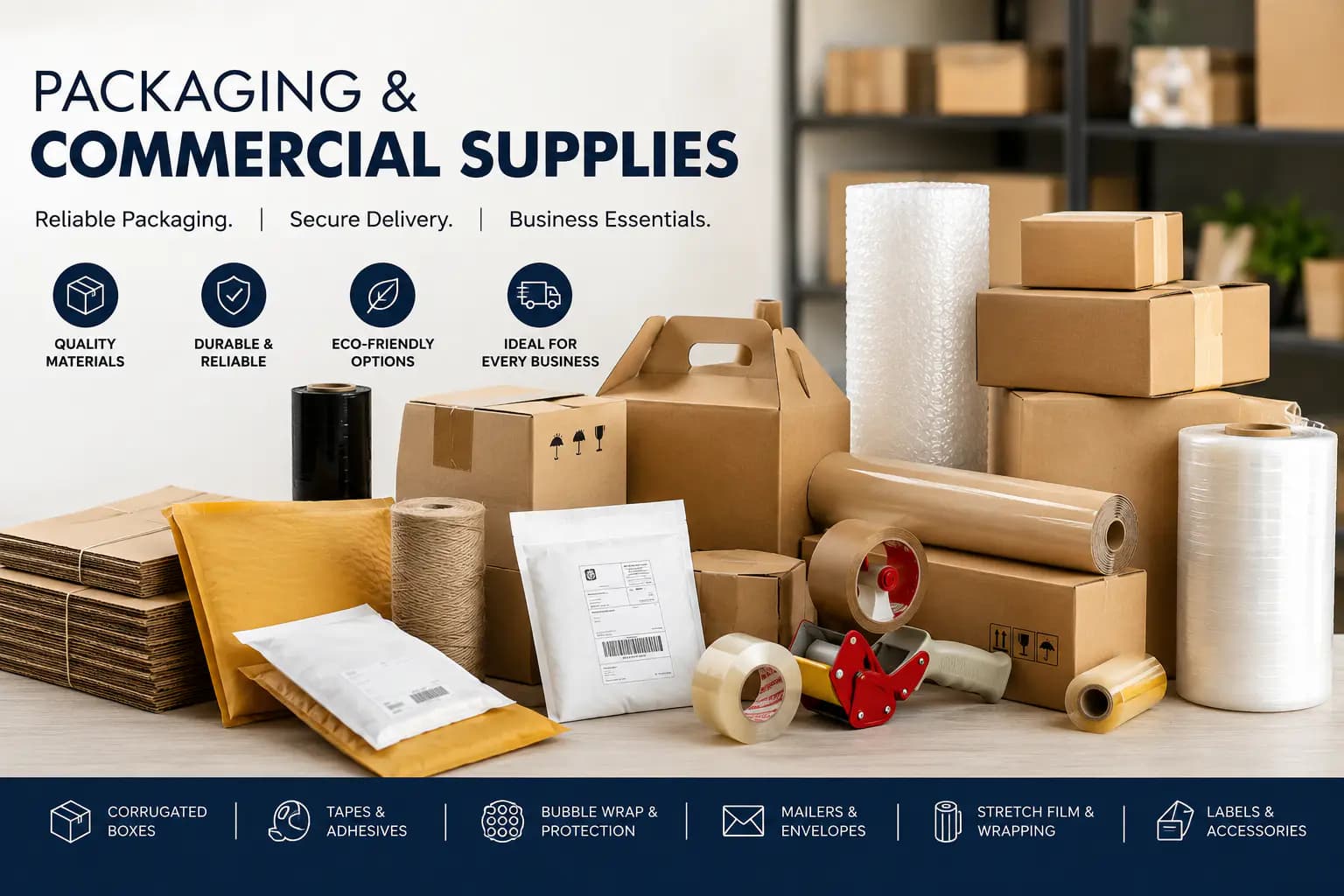
Packing is sometimes treated as an operational detail to be sorted out after pricing is agreed. In practice, packing method is one of the biggest variables behind the final landed cost of an industrial shipment — it affects how efficiently a container is used, how much handling risk the cargo carries, and what documentation is needed at customs. Getting it agreed early avoids re-quoting later.
Packing method changes how much you're really shipping
Loose or bulk-loaded cargo can sometimes fit more product into a container by volume, but it carries higher handling risk and can complicate customs verification, since loose cargo is harder to count and inspect precisely. Palletized or bundled cargo is typically easier to handle and count but uses container space less efficiently, which can mean more containers — and more freight cost — for the same order quantity.
There's rarely a single right answer; the right packing method depends on the product, the destination's handling infrastructure, and how price-sensitive freight is for that particular order. What matters is deciding deliberately rather than defaulting to whatever the supplier normally does.
Container type and load planning
Standard 20 ft and 40 ft containers suit most general cargo, but heavier or denser materials (certain metals, stone, machinery) may hit weight limits before they fill the available volume — meaning a 40 ft container might not be the most economical choice even though it looks like more space. For oversized or irregular cargo, flat-rack or break-bulk shipping may be required instead of standard containerization.
LCL (less than container load) shipping lets a buyer order smaller quantities without paying for a full container, but it usually costs more per unit and takes longer in transit, since LCL cargo is consolidated with other shipments at origin and deconsolidated at destination.
Labeling, moisture protection, and destination handling
Labeling and marking requirements vary by destination and sometimes by product category — some countries require specific language, hazard marking, or country-of-origin marking directly on packaging. Moisture protection matters more than buyers often expect, particularly for sea freight to humid climates or long transit routes, where condensation inside a container can damage unprotected cargo even without any external water exposure.
Destination handling capability is also worth checking — a port or inland destination without heavy-lift equipment may struggle with packing formats that assume mechanized handling, leading to delays or additional local handling charges.
Packing details to confirm before quotation
- Packing method: loose, bundled, palletized, crated, bagged, or boxed
- Container type: 20 ft, 40 ft, LCL, FCL, or break-bulk
- Labeling or marking requirements
- Moisture protection or wrapping
- Loading supervision requirement
- Destination handling limitations
Common mistakes that increase shipping cost
- Assuming the supplier's default packing method is the most cost-effective for your shipment.
- Choosing a 40 ft container by default without checking against weight limits for dense cargo.
- Skipping moisture protection for long sea transits to humid destinations.
- Not confirming destination labeling requirements until the goods are already packed.
- Leaving loading supervision unconfirmed, then discovering no photos or videos were taken.
Wrong packing assumptions can change total cost, shipment safety, and delivery timelines — and re-packing after the fact is far more expensive than agreeing the method before quotation.